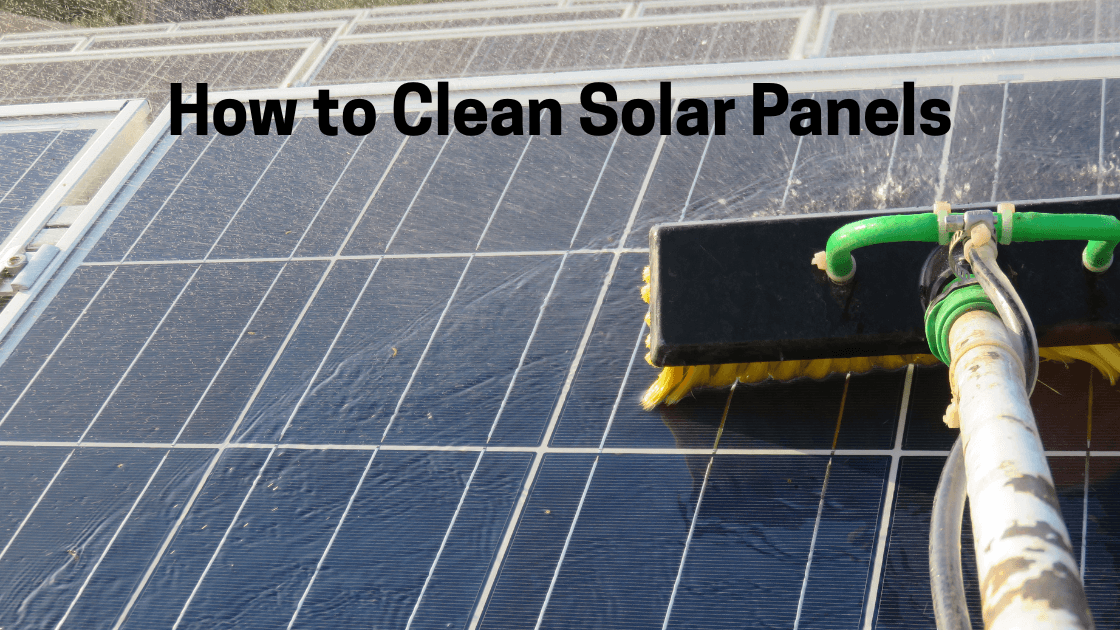
You invested thousands of dollars in a solar energy system, but if your panels are coated in dust, pollen, or bird droppings, you’re leaving money on the table every single day.
The good news? Knowing how to clean solar panels is simpler than most people think, and doing it right can restore your system’s peak performance fast.
In this guide, you’ll learn exactly how to clean solar panels safely, what tools you need, how often to do it, and the mistakes that could cost you your warranty.
Does Cleaning Solar Panels Actually Make a Difference?
Yes, and the numbers back it up.
Research consistently shows that dirty solar panels produce 15–25% less energy than clean ones. In regions with heavy dust, pollen, or agricultural activity, that figure can climb even higher.
Bird droppings are especially damaging because they create concentrated “hot spots” that reduce output from entire cell strings, not just the patch they cover.
Rain helps rinse off surface dust, but it’s not a substitute for a proper clean. Think of it like rain falling on your car windshield after weeks of rain. The glass is still grimy. The same logic applies to solar glass.
If your energy monitoring app is showing a consistent downward trend that weather doesn’t explain, dirty panels are almost certainly the culprit.
How Often Should You Clean Solar Panels?
The general industry recommendation is once or twice per year. But the right frequency for your system depends heavily on your environment.
Clean more frequently if you.
- Live in a dry, dusty region (desert climates, arid zones), you may need cleaning every 3–4 months.
- Have trees overhanging your roof, sap and bird droppings accumulate quickly.
- Live near farmland harvest seasons kick up thick layers of soil and pesticide dust.
- Being close to the coast, salt spray leaves a stubborn corrosive film.
- Have flat or low-angle panels, steep panels shed debris naturally; flat ones trap it.
Once a year may be sufficient if you.
- Live in a rainy climate with moderate dust levels
- Have steeply pitched roof panels with no nearby trees
The best single time of year to clean is late spring (April–May) after winter grime and spring pollen have settled, but before the peak summer sun season.
What You Need to Clean Solar Panels
Before you start, gather the right tools. Using the wrong equipment is the most common way people accidentally damage their panels.
What you need
- Soft-bristle brush or microfiber washing brush (designed for solar panels or vehicles)
- Squeegee with a soft rubber blade.
- A bucket of lukewarm water.
- Mild, non-abrasive soap (optional: plain water works for most jobs).
- Garden hose with a gentle spray nozzle.
- Telescoping pole (for roof panels you can reach from the ground).
- Non-slip shoes if you must access the roof.
- Safety harness when working at height.
What to avoid
- Pressure washers the high-pressure stream, can damage the anti-reflective coating and force water into the panel frame
- Abrasive scrubbers or steel wool, these scratch the glass permanently
- Harsh chemical cleaners strip the anti-reflective coating and may void your warranty
- Tap water with high mineral content leaves white calcium deposits when it dries (deionized or distilled water is ideal for a streak-free finish)
How to Clean Solar Panels: Step-by-Step
Follow these steps for a safe, effective clean that won’t damage your system or void your warranty.
Step 1: Check the Weather and Time of Day
Never clean panels in direct midday sun. The glass surface gets extremely hot, and cold water splashed on hot glass can cause thermal shock, which may crack the panels. It can also evaporate too quickly, leaving behind mineral deposits.
Best time to clean
Early morning, late afternoon, or on a mildly overcast day. The panels will be cooler, the water will work more effectively, and you’ll be more comfortable working.
Step 2: Turn Off Your Solar System
Before touching the panels, shut down your solar inverter following the manufacturer’s shutdown procedure. This is a non-negotiable safety step. Water and live electrical components do not mix.
Step 3: Remove Loose Debris First
Use your soft brush (dry) to gently sweep away leaves, twigs, and loose dirt. Start from the top of the panel and work downward. This prevents large debris from scratching the glass when you apply water in the next step.
Step 4: Rinse with Water
Using your garden hose on a gentle setting, rinse the panels from top to bottom. This wets the surface and loosens caked-on grime before you scrub.
If you’re cleaning from the ground with a telescoping pole and brush, you can skip to the scrubbing step and rinse as you go.
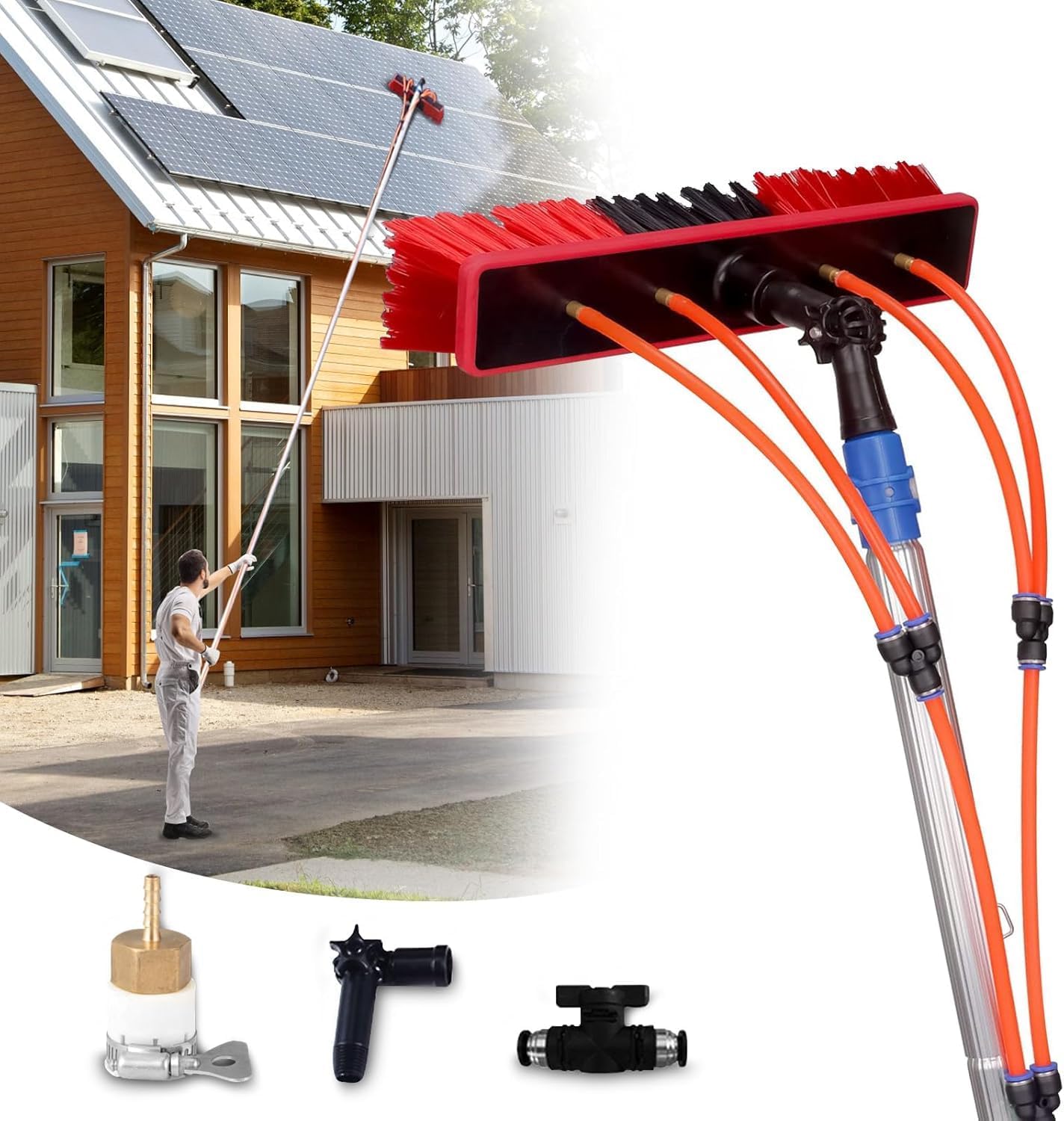
Step 5: Wash with Soapy Water (If Needed)
For stubborn dirt, pollen, or light bird droppings, dip your soft brush into a bucket of mildly soapy lukewarm water and gently scrub the panel surface in straight strokes. Don’t use circular motions they can leave micro-scratches over time.
For most routine cleans, plain water is enough.
Step 6: Tackle Bird Droppings and Hard Stains
Bird droppings are highly acidic and can etch the glass if left too long. For dried droppings, soak the area with water for a few minutes first to soften them before gently scrubbing. Never scratch them off dry.
For tree sap, a small amount of isopropyl alcohol on a soft cloth can help break it down. Test on a small corner first.
Step 7: Squeegee and Final Rinse
Run the squeegee across the panel in smooth, overlapping strokes from top to bottom to remove dirty water. Follow with a final rinse of clean water (deionized or distilled water for a streak-free result).
Step 8: Inspect While You’re Up There
While your panels are clean and visible, do a quick visual inspection:
- Check for cracks, chips, or discoloration on the glass
- Look for loose or corroded wiring and connectors
- Check mounting hardware for signs of rust or loosening
- Look for signs of water ingress around the frame
Catching small problems early saves expensive repairs later.
Step 9: Restart Your System and Monitor Output
After cleaning, restart your inverter and check your monitoring app. You should see a measurable improvement in output on the next clear sunny day.
Safety Rules You Cannot Skip
Cleaning solar panels on a rooftop carries real risk. Before you go up:
- Never walk on the panels: they are not designed to support body weight and will crack
- Use a safety harness if your roof pitch is steep or if wet conditions make surfaces slippery
- Work with a partner whenever possible; someone on the ground provides critical safety backup
- If the roof isn’t safe to access, hire a professional. No amount of energy savings is worth a fall
If your panels are difficult to reach from the ground and the roof angle is dangerous, professional cleaning services typically charge $100–$300 and can boost output by 10–20% on heavily soiled systems.
DIY vs. Professional Solar Panel Cleaning
| DIY Cleaning | Professional Cleaning | |
|---|---|---|
| Cost | Under $50 in tools | $100–$300 per visit |
| Safety | Risk if roof is steep or slippery | Professionals have proper gear |
| Quality | Good for most routine cleaning | Deionized water systems, inspection included |
| Frequency | Do it on your own schedule | Book in advance |
| Best for | Ground-mounted or easy-access roof panels | Steep roofs, commercial arrays, or heavily soiled panels |
For most homeowners with accessible rooftop panels, DIY cleaning twice a year delivers excellent results. The upfront tool cost pays for itself after a single clean compared to professional fees.
What Happens If You Never Clean Your Solar Panels?
Beyond the efficiency losses, neglected panels face long-term risks:
- Permanent glass etching from bird droppings left too long; this cannot be reversed.
- Hot spots caused by shaded or soiled cells force current through damaged pathways, degrading cell lifespan.
- Voided warranties many manufacturers require documented maintenance to honor performance guarantees.
- Corrosion salt, moisture, and pollen trapped under grime can accelerate frame and connector degradation.
A system that produces 20% less power for five years is the equivalent of giving up an entire year of free electricity. Regular cleaning is one of the highest-ROI maintenance tasks in solar ownership.
Frequently Asked Questions
Can I use a pressure washer to clean solar panels?
No. High-pressure water can damage the anti-reflective coating, force water into the panel frame, and void your warranty. Always use a gentle garden hose and a soft brush.
Can rain clean solar panels?
Rain provides a light rinse, but it’s not sufficient for a thorough clean. Thick grime, pollen, sap, and bird droppings require manual removal.
Do I need to turn off solar panels before cleaning?
Yes, always. Shut down the inverter following your manufacturer’s procedure before any cleaning begins.
What is the best time of day to clean solar panels?
Early morning or late afternoon, when panels are cool. Avoid midday in direct sunlight.
How much can dirty solar panels reduce efficiency?
Studies consistently show a 15–25% reduction in output for heavily soiled panels. In dry, dusty climates, this can be even greater.
Should I use distilled water to clean solar panels?
Deionized or distilled water is ideal because it leaves no mineral deposits when it dries. Tap water with high mineral content can leave white streaks that partially block light.
The Bottom Line
Knowing how to clean solar panels is one of the simplest and most impactful things you can do to protect your solar investment.
A routine clean once or twice a year using nothing more than a soft brush, mild water, and a squeegee can restore up to 25% of lost output and extend the life of your system.
The rules are simple: use the right tools, clean in cool conditions, shut down the system first, and never walk on the panels.
Your solar system works hard every day to cut your electricity bill. Give it the occasional clean it deserves.
