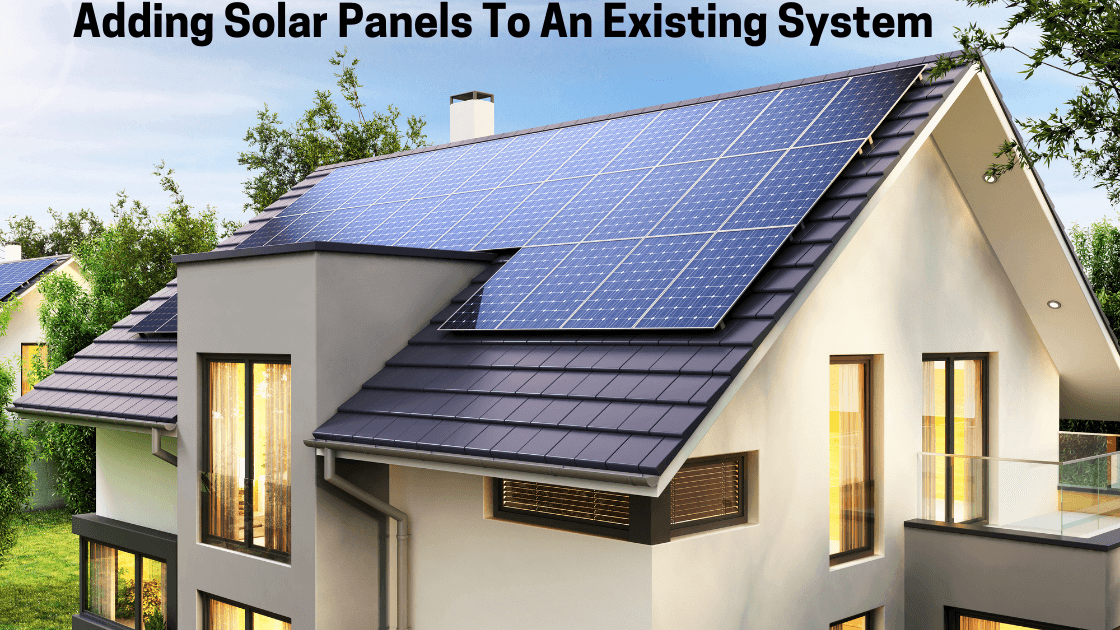
The short answer is yes, you can add solar panels to an existing system. But before you call an installer or start pricing new panels, there are several things you need to evaluate to make sure the expansion goes smoothly and is worth the investment.
This guide walks you through the key considerations and the exact steps to follow when expanding your solar setup.
Key Considerations Before Adding More Solar Panels
Do You Own Your Current Panels?
If your solar panels are under a lease or power purchase agreement (PPA), you don’t own them. The solar company does.
In that case, you’ll need written permission from the provider before making any changes, and you may need to renegotiate the terms of your agreement to cover the new panels.
If you own your system outright, you’re free to expand whenever you’re ready.
Do You Have Enough Roof Space?
More panels require more space. Measure your available roof area and factor in any shading from chimneys, vents, or nearby trees.
If your roof doesn’t have enough room, you have alternatives: a garage roof, a garden shed, or a ground-mounted system are all viable options.
Are the New Panels Compatible With the Existing Ones?
Solar panels vary in size, wattage output, and technology. Mixing panels with different electrical characteristics can reduce the efficiency of your entire system.
Whenever possible, try to match the brand, model, and specifications of your existing panels. If an exact match isn’t available, work with your installer to choose electrically compatible panels.
What Will It Actually Cost?
Expanding a solar system isn’t just the cost of the panels themselves, either. You may also need to budget for:
- A new or upgraded inverter
- Professional installation labor
- Electrical permits and inspections
- Potential utility interconnection fees
The total cost of adding a few extra panels typically ranges from $2,000 to $20,000, depending on the scope of the upgrade and your location.
Should You Use Your Original Installer?
If your original solar installer is still in business, hiring them again is usually the smarter move.
They already have documentation on your system panel specs, wiring diagrams, and inverter model, which speeds up the process and reduces the chance of compatibility errors.
Steps to Follow When Expanding Your Solar System
Step 1: Check Your Inverter’s Capacity
Your inverter converts the DC electricity your panels generate into the AC electricity your home uses.
Every inverter has a maximum input capacity, and adding more panels without accounting for this can cause clipping, where excess energy is simply lost because the inverter can’t process it.
- If your system uses a string inverter, check its rated capacity and compare it to the new total wattage after expansion. You may need to upgrade to a larger model.
- If your system uses microinverters, you can add a new microinverter to each additional panel without touching your existing setup.
Step 2: Assess Your Roof Space
Before purchasing new panels, physically measure the available space on your roof. Account for any obstructions and check local setback requirements (many jurisdictions require panels to be set back from roof edges). If your roof is at capacity, explore ground-mount or carport-mount alternatives.
Step 3: Obtain the Necessary Permits
Expanding a solar system almost always requires permits. Depending on your location and the scope of the work, you may need the following.
- A building permit from your local municipality
- An electrical permit for the new wiring
- Utility company approval or a new interconnection agreement
Permit requirements vary widely, so check with your local authority having jurisdiction (AHJ) before any work begins.
Step 4: Install the New Panels
Once permits are in hand, the installation can proceed. Key priorities during installation:
- Position the new panels where they’ll receive maximum unobstructed sunlight throughout the day
- Wire the new panels to your existing inverter (or new microinverters) according to the manufacturer’s specifications
- Have the system reconfigured and tested to ensure it handles the higher combined output correctly
Step 5: Consider Adding a Solar Battery
If you’re already investing in system expansion, this is a good time to evaluate whether a battery storage system makes sense for you.
A solar battery lets you store excess energy generated during the day for use at night or during grid outages.
Yes, batteries are expensive; they typically add 40–50% to the total installation cost. But if your goal is energy independence or your utility has unfavorable net metering policies, a battery may deliver more long-term value than simply adding more panels.
Frequently Asked Questions
Is it possible to add solar panels to an existing system after the initial installation?
Yes. This is called solar system expansion and is a standard service offered by most solar installers. The main factors to verify are inverter capacity, roof space availability, and panel compatibility.
How much does it cost to add panels to an existing solar system?
Costs typically range from $2,000 to $20,000 or more, depending on the number of panels, whether your inverter needs upgrading, permit fees, and local labor rates.
What happens if I add more panels than my inverter can handle?
Your system will experience clipping, a condition where the panels generate more electricity than the inverter can convert.
The excess energy is lost rather than used or exported to the grid. Upgrading your inverter resolves this.
Is it better to oversize a solar array?
In some cases, yes. An oversized array produces more electricity during peak hours, which can reduce or eliminate grid dependence during the sunniest parts of the day.
However, this only makes sense if your inverter is sized appropriately to handle the additional output.
Final Thoughts
Adding solar panels to an existing system is a practical way to increase your energy production, lower your utility bills, and reduce your carbon footprint.
The key is doing your homework first: check your inverter capacity, confirm you have roof space, verify panel compatibility, secure the necessary permits, and price out the full scope of work before committing.
Done right, a solar expansion can extend the value of your original installation for years to come.
